
When is the Best Time to Visit the Philippines
When is the Best Time to Visit the Philippines? This is one of the most important questions to answer before planning your tropical getaway. Many travelers dream of pristine white-sand beaches, but choosing the right dates can make all the difference.
The dry season, specifically December through February, is widely considered the **best time to visit the Philippines** for island-hopping adventures. You will find consistent tropical warmth that makes every beach day feel like a postcard come to life.

When is the Best Time to Visit the Philippines Have you ever wondered if you can chase eternal summer without getting caught in a sudden monsoon? Many travelers dream of pristine white sands, but picking the right dates is the secret ingredient to a flawless getaway.
The dry season, specifically December through February, is widely considered the best time to visit philippines for your island-hopping dreams. You will find consistent tropical warmth that makes every beach day feel like a postcard come to life.
However, weather patterns vary wildly across the archipelago. Some regions stay sunny while others face heavy rain, so you must look beyond the national averages.
We will help you navigate these regional shifts and typhoon risks so you can plan a trip that matches your personal vibe. Whether you crave vibrant cultural festivals or quiet, secluded shores, we have the scoop on how to pick your perfect dates. Let’s dive into the details so you can start packing your bags with confidence.
Philippines Weather Overview
Understanding the weather in the Philippines is your first step toward an epic island adventure. This beautiful archipelago boasts a classic tropical climate, meaning you can expect plenty of warmth and sunshine throughout the year. However, the experience changes depending on when you decide to touch down on these sandy shores.
Generally, the year is split into two main periods: the dry season and the wet season. The dry season typically runs from November or December through April or May. During these months, you will find temperatures ranging from 25°C to 35°C (77°F to 95°F), making it the perfect time for beach hopping and outdoor exploration.
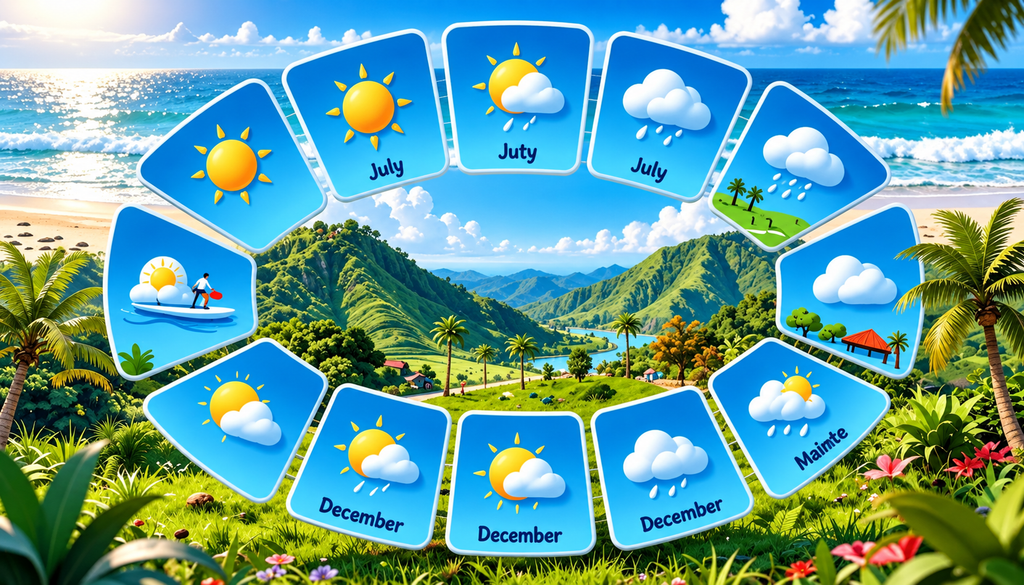
When the wet season rolls in, the weather in the Philippines shifts to a more humid and lush environment. Temperatures usually hover between 25°C and 30°C (77°F to 86°F). While you might encounter tropical showers, they often pass quickly, leaving behind refreshed landscapes and vibrant greenery.
Keep in mind that these season dates are just helpful guidelines rather than rigid rules. Because the country is so vast, the climate varies significantly across regions like Luzon, the Visayas, Mindanao, and Palawan. A sunny day in one province might look quite different from a rainy afternoon just a few islands away.
When planning your trip, consider how the humidity and potential for rough seas might impact your transportation or ferry schedules. Packing light, breathable clothing is a must to stay comfortable in the heat. By staying flexible with your itinerary, you can embrace the unique weather in the Philippines and make the most of your tropical getaway.
Best Time to Visit the Philippines by Season
The Philippines offers a unique climate rhythm that can turn your vacation into either a sun-soaked adventure or a cozy, rain-kissed escape. Understanding these seasonal shifts helps you plan a trip that perfectly matches your travel style.
Dry Season in the Philippines (Best Time for Beaches & Diving)
Running from December to May, the dry season is widely considered the golden window for island hopping. This is the peak season philippines, where you can expect endless sunshine and calm, crystal-clear waters perfect for snorkeling.
Because the weather is so inviting, popular spots like Boracay and Palawan become quite lively. You will find that hotels fill up quickly, and prices often climb to reflect the high demand. If you want to enjoy the best diving conditions, booking your stay well in advance is a smart move.

Wet Season in the Philippines (What to Expect)
From June to November, the islands transform into a lush, vibrant paradise as the rains arrive. While you might encounter daily showers, they are often short-lived and followed by beautiful, cooling breezes.
Choosing off-peak travel philippines during these months means you can enjoy popular destinations without the usual crowds. You will likely find better deals on accommodations and a more relaxed, authentic atmosphere across the islands.
Typhoon Season in the Philippines: When to Avoid
It is important to note that the wet season carries a higher risk of typhoons, particularly from July through September. These storms can lead to sudden flight disruptions, ferry cancellations, and occasional flooding in low-lying areas.
If you decide to travel during this time, keep a flexible itinerary and monitor local weather reports closely. Some regions, like the southern islands, are often less affected by storms than the northern parts of the country. Staying adaptable ensures you can still have a fantastic experience even when the weather gets moody.
Best Time to Visit the Philippines Month by Month
Navigating the calendar is the secret to finding the ideal months to travel Philippines for your specific adventure. While the islands are beautiful year-round, understanding the seasonal shifts helps you avoid the rain and soak up the sun.
January and February are widely considered the most comfortable period for visitors. The air is crisp, the humidity is low, and you can spot whale sharks in Bicol during this time. It is truly one of the ideal months to travel Philippines if you love outdoor exploration.
As we move into March, April, and May, the temperature begins to climb. These are the hotter shoulder months, perfect for those who want to lounge on the beach without a cloud in the sky. You will find the Banaue rice terraces looking particularly lush and vibrant during these transition periods.
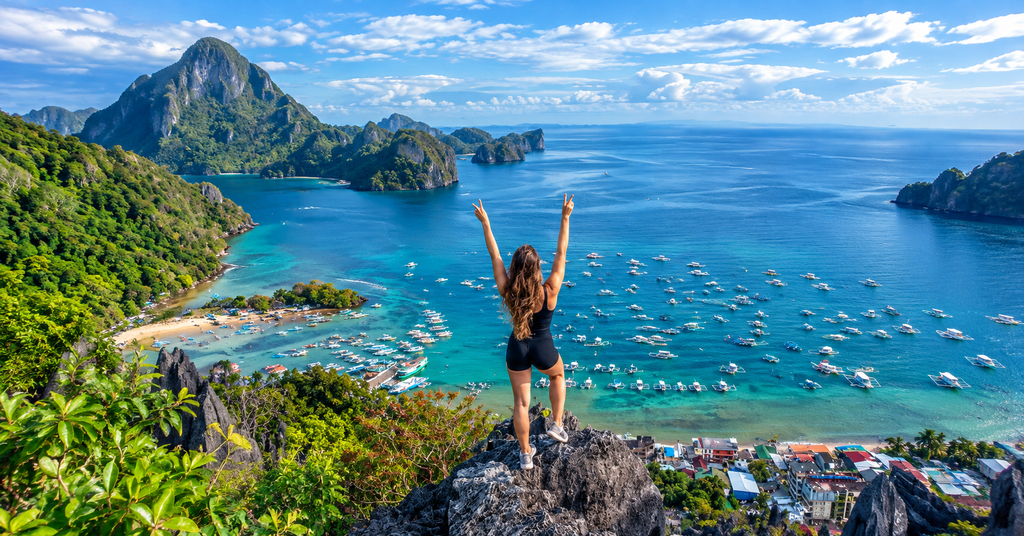
From June through September, the weather becomes more unpredictable as the wet season sets in. You should keep your itinerary flexible during these months to account for potential rain showers. However, this is often when you can find fewer crowds and better deals on accommodation.
October and November mark the transition back toward the dry season. Conditions steadily improve, making these some of the top travel times for philippines explorers who prefer a balance of sunshine and manageable crowds. By December, the festive spirit is in full swing across the islands.
- January – February: Cool, dry, and perfect for wildlife spotting.
- March – May: Warm, sunny, and ideal for island hopping.
- June – September: Wet season; best for budget travelers and flexible plans.
- October – December: Transitioning to dry; great weather and festive vibes.
Choosing the right window ensures you get the most out of your trip. Whether you are chasing waves or cultural festivals, these top travel times for philippines will help you plan the perfect escape.
Best Time to Visit the Philippines for Specific Activities
Whether you crave epic waves or calm turquoise waters, timing is everything for your island adventure. Getting the most out of your trip means aligning your bucket list with the local climate. These travel recommendations philippines will help you plan a smooth and exciting journey across the archipelago.

Best Time for Island Hopping
If your dream is to hop between hidden lagoons and white-sand beaches, the dry season is your best friend. From December to May, the seas are generally calmer, making boat transfers much more comfortable and reliable. You will find that the water clarity is at its peak during these months, which is perfect for capturing those postcard-worthy photos.
Best Time for Surfing
Surfing in the Philippines is less about avoiding the rain and more about chasing the right swell. You should look at the specific coastlines to decide when to pack your board. Here are the prime windows for catching waves:
- Siargao: July through October for consistent swells.
- Baler: July through October for reliable breaks.
- La Union: December through March for peak surf conditions.
- Zambales: December through March for great local waves.
Following these travel recommendations philippines ensures you hit the breaks when the energy is highest. Always check local surf reports before you book your flights to ensure you catch the best conditions.
Best Time for Diving and Snorkeling
For underwater enthusiasts, the dry season is the golden window for exploring reefs and shipwrecks. Calm surface conditions make it easier to reach remote dive sites and enjoy longer boat rides to open-water spots. If you are planning to visit the famous Tubbataha Reefs, aim for the narrow window between March and June when the weather is most stable.
Diving during the dry months offers the best visibility for spotting marine life, from tiny nudibranchs to massive whale sharks. By planning your dives around these seasonal shifts, you guarantee a safer and more vibrant experience beneath the waves.
Best Festivals in the Philippines (and When They Happen)
You might think you know the Philippines, but you haven’t truly experienced it until you’ve joined a local fiesta. These celebrations transform the typical tourist season Philippines into a louder, brighter, and deeply immersive cultural journey. While you might encounter larger crowds, the trade-off is a front-row seat to the heart and soul of the islands.
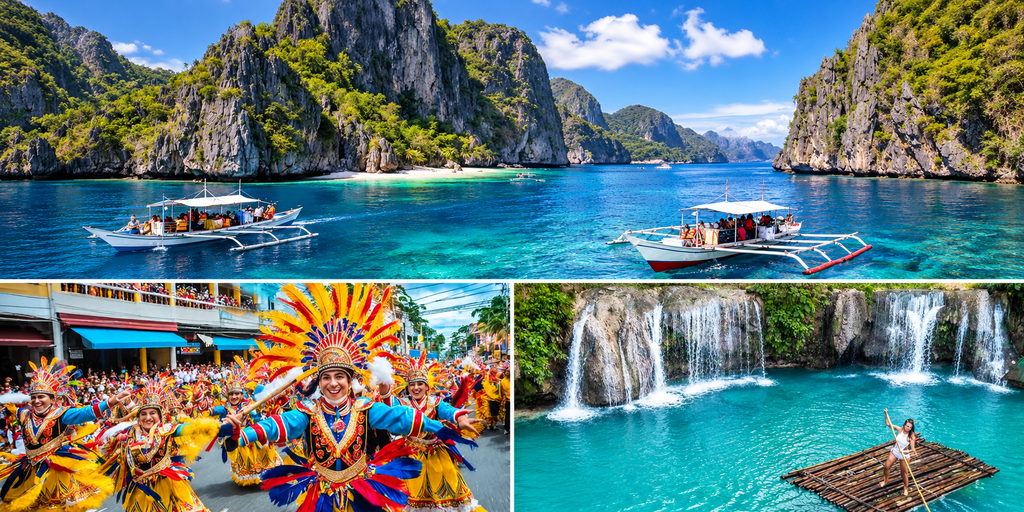
Festivals here are more than just parties; they are expressions of faith, history, and community pride. When you plan your visit around these dates, you gain a unique perspective on local traditions that you simply cannot find on a standard beach vacation. Just keep in mind that these popular times can influence the tourist season Philippines, often leading to higher demand for flights and accommodations.
Here are some of the most iconic festivals you should consider adding to your travel calendar:
- Ati-Atihan (January): Known as the mother of all Filipino festivals, this event in Kalibo features rhythmic drumming and elaborate costumes.
- Sinulog (January): Held in Cebu, this massive street party honors the Santo Niño with vibrant parades and non-stop dancing.
- Panagbenga (February): Baguio City transforms into a floral wonderland during this month-long celebration of blooming flowers.
- Pahiyas (May): Locals in Lucban decorate their homes with colorful harvest produce to give thanks for a bountiful year.
- Kadayawan (August): Davao City celebrates its rich cultural heritage and agricultural abundance with street dancing and exhibits.
- Masskara (October): Bacolod City comes alive with smiling masks and upbeat music, showcasing the resilience and joy of the local people.
While these events might shift the typical rhythm of the tourist season Philippines, they offer an unparalleled opportunity to connect with locals. Always remember to participate with respect and an open mind. Whether you are dancing in the streets or sampling local delicacies, you will walk away with memories that go far beyond the typical postcard views.
Cheapest Time to Visit the Philippines
If you want to master your Philippines vacation timing to keep your wallet happy, you should look toward the off-peak months. Generally, the period from June through October offers the most budget-friendly rates for savvy travelers.
During these months, accommodation prices often drop significantly as tourism slows down. You will find it much easier to snag last-minute deals on boutique resorts or cozy hostels. Plus, you can enjoy popular beaches and landmarks without the usual swarm of selfie sticks and crowds.
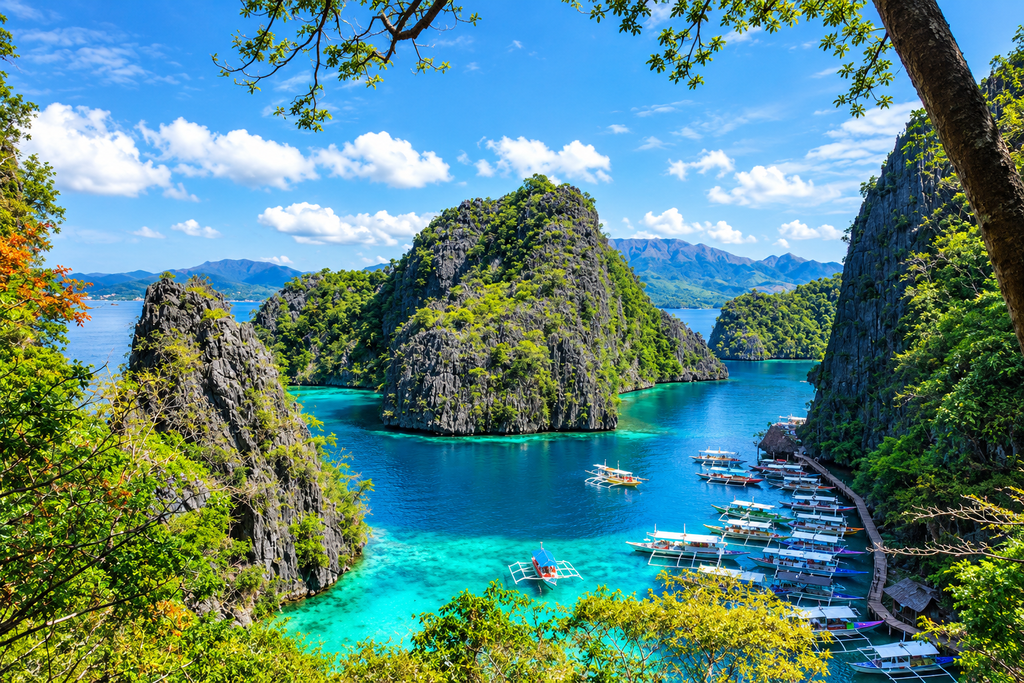
However, saving money does come with a few trade-offs that you should keep in mind. This window coincides with the rainy season, which means you might encounter sudden downpours or even typhoons. Boat travel can become unpredictable due to rough seas, so always keep your itinerary flexible.
To make the most of your trip while staying on budget, consider these smart strategies:
- Target the shoulder months of May or October for a better balance of price and weather.
- Avoid major domestic holidays, as local travel spikes can drive up costs and crowd out transport.
- Always book refundable rooms to give yourself an exit strategy if the weather turns sour.
- Compare regional weather patterns before you lock in your island-hopping plans, as some areas stay drier than others.
By staying adaptable with your Philippines vacation timing, you can experience the magic of the islands without overspending. Just pack a light rain jacket, keep an eye on the local forecasts, and get ready for an affordable adventure.
FAQs Many travelers ask, When is the Best Time to Visit the Philippines?
Planning your dream island getaway requires a bit of strategy. Many travelers wonder when to visit philippines to catch the perfect balance of sunshine and adventure. December through February remains the gold standard for most visitors seeking dry, breezy weather across the archipelago.
You might worry about the rainy season or sudden storms. While typhoons can disrupt travel plans with flight cancellations or boat delays, you can mitigate risks by checking PAGASA forecasts regularly. Staying flexible with your itinerary keeps your trip stress-free even if the weather shifts.
Surfers and divers often find unique windows of opportunity outside the peak months. Siargao offers incredible waves during the late summer, while Palawan stays beautiful for snorkeling well into the shoulder season. Researching specific regions helps you decide when to visit philippines for your favorite activities.
Keep an eye on official government travel advisories for the latest entry requirements. Pack your bags with a sense of adventure and a healthy dose of patience. Your tropical escape awaits in this stunning corner of the world.